
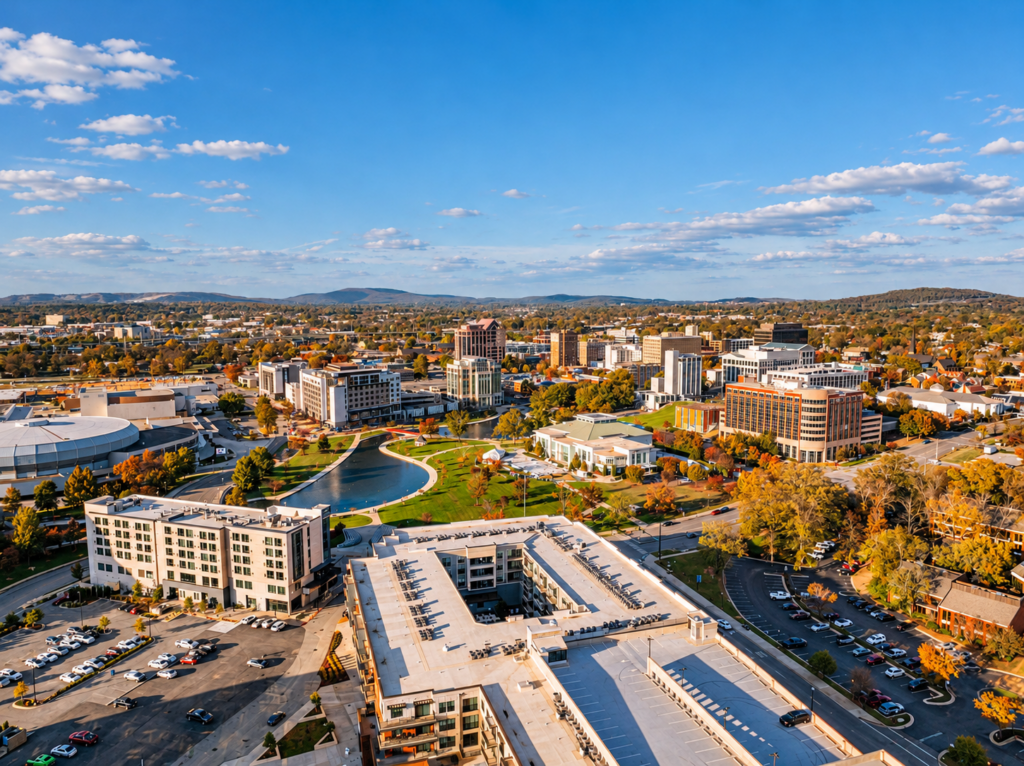
Huntsville, Alabama, is planning for a future that could look dramatically different from the city we know today. A 50-year planning forecast for western Huntsville and Limestone County includes 113,000 residential units, 120,000 jobs, major transportation improvements, additional schools, industrial development, and new commercial centers.
Those numbers certainly caught my attention.
After 23+ years of helping people buy and sell homes throughout Huntsville, Madison, and North Alabama, I’ve learned that understanding where our community is headed can be just as important as knowing what homes are selling for today.
I recently reviewed a detailed presentation from Dennis Madsen, AICP, with the City of Huntsville, covering the city’s BIG Picture planning efforts, the Huntsville/Limestone Master Plan, infrastructure investments, proposed Tax Increment Financing districts, greenways, and major development projects.
One thing stood out to me: Huntsville isn’t just planning for more houses. It’s planning for how people will live, work, travel, shop, and spend their time as the region grows.
For someone relocating to Huntsville for Redstone Arsenal, NASA, the FBI, Cummings Research Park, or one of the region’s expanding employers, understanding that bigger picture can help determine where to buy a home.
For homeowners, sellers, and investors, it raises another important question: How could Huntsville’s future development affect housing demand, property values, and the local economy?
Let’s break down what the city’s plans actually show, what they could mean for real estate, and what I believe buyers should be paying attention to.
1. What Is Huntsville’s 50-Year Growth Plan?
The Huntsville/Limestone Master Plan looks at long-term development across approximately 45,328 acres in western Huntsville and Limestone County.
This area has become increasingly important because of industrial investment, manufacturing employment, and the expansion of the Huntsville metropolitan area toward Limestone County.
The city’s planning materials identify a challenge that many growing communities face: employment growth creates demand for housing, transportation, schools, utilities, shopping, and public services.
Those needs don’t always develop at the same pace.
The 50-year planning forecast includes:
| Development category | Long-term projection |
|---|---|
| Residential units | 113,000 |
| Jobs | 120,000 |
| Industrial space | 74 million square feet |
| Office space | 13 million square feet |
| Retail space | 9 million square feet |
These figures represent a long-range planning scenario for the study area. They are not announcements that 113,000 homes have been approved or that 120,000 jobs have already been committed.
But they demonstrate the scale of growth Huntsville is preparing to accommodate.
Why this matters for real estate
Housing demand is closely connected to employment, household formation, affordability, and population movement.
If Huntsville continues attracting employers and workers, the region may need additional housing across multiple price points.
That could include apartments, townhomes, entry-level homes, move-up housing, and luxury new construction.
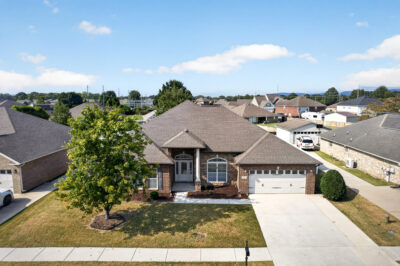

The important question is whether the supply of housing can keep pace with demand.
If housing construction lags behind household growth, buyers may experience increased competition.
If new construction expands faster than demand, buyers could benefit from more choices and stronger negotiating opportunities.
My takeaway: Huntsville’s growth forecast is significant, but the relationship between future jobs and future housing supply will help determine how the real estate market responds.
2. How Could Huntsville’s Growth Affect the Local Economy?
This is one of the most important questions in the entire presentation.
Economic growth doesn’t happen simply because a city adds more residents.
It depends on businesses investing, employers creating jobs, infrastructure supporting development, and households having the income to support local services.
Huntsville already has an economy closely connected to aerospace, defense, engineering, advanced manufacturing, research, and technology.
The city’s long-term planning places additional emphasis on industrial development and the infrastructure needed to support future employment.
More employment can create demand beyond the workplace
When a major employer expands, the economic impact can extend beyond its employees.
Additional households may create demand for restaurants, grocery stores, medical services, childcare, retail, home maintenance, and other businesses.
New businesses may then create additional employment opportunities.
This is sometimes described as an economic multiplier effect, although the size of that effect depends on the industry, local spending patterns, and other factors.
For Huntsville, the important issue is whether economic development translates into sustainable employment and household growth.
Infrastructure helps determine where investment can happen
Businesses need reliable roads, utilities, sewer capacity, and access to workers.
Residential development depends on many of those same systems.
That’s why the city’s proposed transportation and utility projects matter.
A large tract of land may appear suitable for development, but its actual potential can depend on infrastructure availability, zoning, environmental conditions, and the cost of construction.
Economic growth can also create challenges
Rapid development can place pressure on schools, roads, public services, and housing affordability.
Higher construction costs and rising land prices can make it more difficult to deliver housing at affordable price points.


That means successful growth requires planning for both economic opportunity and the practical needs of residents.
My takeaway: Huntsville’s long-term economic success will depend not just on attracting employers, but on building the infrastructure and housing necessary to support the people who work here.
3. Greenbrier Parkway, I-565, and Western Huntsville Infrastructure
One of the biggest factors influencing where people buy homes is transportation.
A neighborhood can have beautiful homes, excellent floor plans, and attractive prices, but the daily commute can quickly change how someone feels about living there.
The presentation identifies several proposed infrastructure projects in western Huntsville and Limestone County.
These include improvements involving:
- Greenbrier Parkway and Greenbrier Road
- Interstate 565 Exit 3 and Alabama Highway 20
- Swancott Road
- County Line Road
- Pryor Road
- Peoples Road
- New connections supporting residential and school development
One of the more substantial proposed projects is widening Swancott Road from two lanes to a five-lane major collector.
The plans also identify improvements intended to support industrial development and future residential communities.
What this means for relocation buyers
Consider someone relocating from Colorado Springs, Northern Virginia, Texas, or Florida to work at Redstone Arsenal or Cummings Research Park.
They may initially focus on Madison, Huntsville, Athens, or East Limestone because those names appear frequently in online home searches.
But the more useful question is often:
Which neighborhood provides the best combination of house, price, schools, lifestyle, and commute to my specific workplace?
Road improvements may eventually make certain locations more convenient.
However, I would never recommend buying a house based solely on a road shown on a long-range planning map.
Buyers need to evaluate today’s traffic patterns and understand which projects are proposed, funded, under construction, or completed.
My takeaway: Transportation planning could influence future neighborhood accessibility, but current commute conditions should remain a major factor in today’s buying decisions.
4. TIF District 8: Eli Lilly, Roads, Schools, and Western Huntsville Development
The presentation outlines a proposed Tax Increment Financing District 8 covering approximately 9,092 acres in the Limestone County portion of Huntsville.
The district is associated with major industrial development, including the future Eli Lilly site, and a proposed package of public infrastructure investments.
The draft plan identifies approximately $230 million in potential projects.
Major items include:
| Proposed project | Estimated cost |
|---|---|
| Swancott Road widening | $50 million |
| County Line Road improvements | $40 million |
| New K–8 school | $40 million |
| Manufacturing zone land | $22 million |
| I-565 Exit 3 improvements | $15 million |
| Sanitary sewer expansion | $15 million |
| New school-support road | $15 million |
| Greenbrier Parkway improvements | $8 million |
Additional projects involve other roads and public infrastructure.
What is Tax Increment Financing?
Tax Increment Financing, or TIF, is a financing mechanism that can use future increases in property-tax revenue within a designated area to help fund qualifying public improvements.
A TIF district does not automatically mean property-tax rates increase.
The financing structure, approved projects, and repayment arrangements depend on the specific district.
How could this affect nearby real estate?
Industrial development may create demand for workers and supporting businesses.
That could influence housing demand in western Huntsville, Madison, Athens, and surrounding Limestone County communities.
However, the effect on any individual neighborhood will depend on factors such as commute access, housing supply, land use, affordability, and the types of jobs created.
A new industrial facility can also change nearby traffic and commercial activity.
For buyers, understanding the location of proposed industrial development is just as important as knowing where new residential neighborhoods may be built.
My takeaway: TIF District 8 illustrates how Huntsville is considering infrastructure investments to support economic development, but buyers should distinguish proposed public improvements from completed projects.
5. How Could Huntsville’s Growth Affect Home Prices?
This is probably the question most homeowners and buyers will ask.
If Huntsville is preparing for substantial employment and residential growth, will home prices continue rising?
Growth can support housing demand, but it doesn’t guarantee home-price appreciation.
Home prices are influenced by several factors working together.
Employment and population growth
When more households move into a market, demand for housing can increase.
That demand may support home prices, particularly in neighborhoods where available inventory is limited.
New construction and housing supply
The other side of the equation is supply.
If builders deliver substantial new inventory, buyers may have more options.
That can create competition between new construction and existing homes.
In some price ranges, builders may offer closing-cost assistance, financing incentives, or upgrades that resale sellers cannot match directly.
Mortgage rates and affordability
Even in a growing economy, mortgage rates influence what buyers can afford.
A household earning a strong income may still reconsider its budget if financing costs rise.
Neighborhood-specific differences
Not every Huntsville neighborhood responds to growth the same way.
A luxury home in Madison, a starter home in South Huntsville, a downtown condominium, and a new-construction property in East Limestone may attract different buyers.
Each price point has its own supply, demand, and competition.
What does this mean for homeowners?
Homeowners should pay attention to nearby new construction, changing amenities, road projects, and comparable sales.
But I wouldn’t recommend making major financial decisions based on the assumption that a proposed development will automatically increase property values.
My takeaway: Huntsville’s future growth may create opportunities, but home prices will still be determined by affordability, supply, demand, and the characteristics of individual neighborhoods.
6. What Does Huntsville’s Growth Mean for Home Sellers?
This is a topic that deserves more attention.
Many sellers hear about new employers and population growth and assume that means their home should sell quickly.
That’s not always how the market works.
As Huntsville expands, existing homes may face additional competition from new construction.
For example, a buyer considering an established Madison neighborhood may also compare newly built homes in western Madison or East Limestone.
A builder may offer incentives, modern floor plans, energy-efficient features, or customization opportunities.
That doesn’t mean resale homes are at a disadvantage in every situation.
Established neighborhoods can offer mature trees, larger or more distinctive lots, convenient locations, and features that newer developments may not replicate.
How should sellers respond?
Sellers need to understand what buyers can purchase at a similar price.
That includes comparing:
- Existing homes against new construction
- Lot sizes and privacy
- Garage capacity and floor plans
- Major updates and maintenance
- School zoning and commute patterns
- Builder incentives and financing options
Pricing strategy should reflect current competition rather than relying on the idea that Huntsville is growing.
Marketing should also explain why the neighborhood is desirable.
A home near an established park, major employment corridor, or convenient shopping area may appeal to a different buyer than a newly constructed home farther from those amenities.
My takeaway: As Huntsville grows, successful home selling will depend increasingly on understanding the competition and communicating the value of both the property and its location.
7. Will Huntsville Need More New Construction Homes?
The 50-year master plan forecasts 113,000 residential units within the Huntsville/Limestone study area.
That suggests planners are preparing for the possibility of substantial housing development.
But housing demand will not be identical across every price range.
Some households may need apartments or rental homes.
Others may look for townhomes, starter homes, move-up properties, or luxury new construction.
Builders will need to respond to actual demand, financing conditions, infrastructure availability, and land-development costs.
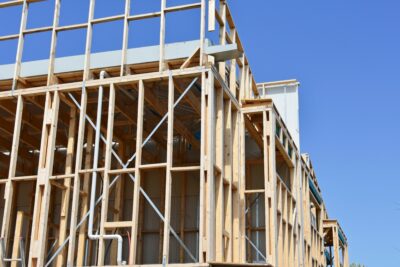

Where could new construction expand?
Western Huntsville and Limestone County are important areas to watch because of planned infrastructure and industrial development.
Madison and East Limestone also remain relevant to buyers seeking new construction within reach of Huntsville’s employment centers.
Northern Madison County may see additional opportunities as transportation and commercial infrastructure develop.
However, proposed development areas should not be confused with approved subdivisions or available homesites.
What should buyers compare?
I encourage new-construction buyers to evaluate the total purchase, not just the advertised base price.
Consider lot premiums, structural options, design upgrades, financing incentives, HOA requirements, construction timelines, and resale competition.
A home that appears less expensive initially may cost considerably more once selections are included.
My takeaway: Future housing development could create more choices for Huntsville buyers, but location, infrastructure, builder quality, and total purchase costs will remain important.
8. Where Could Huntsville Real Estate Investment Opportunities Develop?
Investors should pay attention to long-term planning, but they also need to separate potential from proven financial performance.
The presentation highlights several areas worth monitoring.
Western Huntsville and Limestone County
Industrial development and transportation improvements could influence demand for housing and rental properties.
Investors should examine employment locations, rental supply, commute patterns, and the types of households likely to move into the area.
North Huntsville
The Northern Bypass and proposed commercial developments could affect accessibility and nearby services.
However, investors should not assume that every property near a major project will experience stronger appreciation or rental demand.
Downtown Huntsville
Redevelopment and investment in public amenities may influence demand for housing close to entertainment, employment, and urban services.
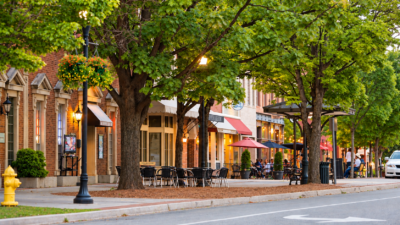

Investment performance will still depend on purchase price, rental income, expenses, and competing supply.
Madison and East Limestone
These markets may appeal to households seeking access to western Huntsville employment centers, particular school districts, and suburban housing options.
For investors, the important numbers remain rental income, vacancy, insurance, property taxes, maintenance, financing costs, and expected returns.
My takeaway: Planning documents can help investors identify areas to research, but they should never replace property-level financial analysis.
9. TIF District 9 and the Future of Downtown Huntsville
The presentation also outlines proposed TIF District 9, covering approximately 3,690 acres in central Huntsville.
The draft plan identifies up to $220 million in potential investments, including a proposed $200 million expansion of the Von Braun Center’s North Hall.
Other proposed projects include greenway improvements, public-space investments, redevelopment, and infrastructure supporting established parts of Huntsville.
Why Downtown Huntsville matters
Downtown offers a different lifestyle from many suburban neighborhoods.
Residents may prioritize proximity to restaurants, entertainment, cultural venues, and employment.
Continued investment in public facilities could support commercial activity and neighborhood appeal.
But redevelopment may also bring construction, changing traffic patterns, and evolving land uses.
For someone considering a downtown home or investment property, those factors deserve attention.
My takeaway: Huntsville is planning for growth in both emerging development corridors and established neighborhoods.
10. Huntsville Greenways and Quality of Life
One of my favorite parts of the presentation was the emphasis on greenways.
People relocating to Huntsville often ask about outdoor recreation, walking trails, cycling, parks, and activities outside of work.
The presentation identifies recently completed greenway projects, including Meek Greenway, Tollgate Greenway, Bailey Cove Crossings, Weatherly Multi-Use Path, and Ditto-to-Grissom.
It also highlights projects in planning and design, including North Huntsville Greenway, Miller Branch Phase I, Redstone Gateway Phase II, and additional connections throughout the city.
Why does this matter for real estate?
Quality of life is part of what makes a neighborhood appealing.
A buyer may choose South Huntsville because of outdoor recreation, Madison because of particular schools and suburban amenities, or Downtown Huntsville because of entertainment and walkability.
Greenways can add another dimension to those decisions.
However, buyers should verify actual trail access and whether a proposed connection is open before relying on it.
My takeaway: Parks and greenways are an important part of Huntsville’s long-term livability, not simply recreational extras.
11. The Northern Bypass and North Huntsville’s Future
The Huntsville Northern Bypass, also known as the State Route 255 extension, is another significant transportation project.
The presentation includes a July 2026 update for the approximately 4.5-mile section between Pulaski Pike and US-231/431.
At that time, construction was reported to be approximately 75% complete, with a scheduled November 2026 completion.
That schedule should be checked against current transportation updates.
How could the bypass affect housing?
Improved connections could influence travel patterns for residents in North Huntsville, Meridianville, Hazel Green, and surrounding communities.
For buyers working at Redstone Arsenal or elsewhere in Huntsville, transportation access is a major consideration.
But the effect on individual commutes will depend on actual road connections and traffic.
My takeaway: The Northern Bypass is worth watching, particularly for buyers evaluating northern Madison County neighborhoods.
12. North Village Town Center and Future Shopping
The presentation describes North Village Town Center as a proposed 200-acre mixed-use development near US-231/431 and State Route 255.
Plans include approximately 680,000 square feet of retail, restaurants, medical, hospitality, fitness, and related uses.
The presentation identifies Target, Home Depot, and Huntsville Hospital among named participants or planned users.
Phase 1 was targeted for 2027 in the presentation, although schedules and tenant commitments should be independently confirmed.
Why this matters for relocation buyers
Shopping and services influence daily convenience.
A household considering Meridianville or Hazel Green may compare housing prices and lot sizes against the distance to major retailers, medical services, and restaurants.
Additional commercial development could change that balance.
But buyers should also consider potential traffic and the effects of commercial growth on nearby residential areas.
My takeaway: North Village could become an important destination for northern Madison County if development proceeds as planned.
13. Harris Farms and Future Residential Development
The presentation also includes Harris Farms, a proposed master-planned residential development associated with the northern Huntsville growth corridor.
The materials show conceptual residential phases and supporting infrastructure considerations.
At this stage, they do not establish final home prices, confirmed builders, available lots, or guaranteed construction dates.
For buyers, that means Harris Farms is a development to monitor rather than a neighborhood where purchasing opportunities can already be assumed.
My takeaway: Future master-planned communities could influence housing choices in North Huntsville, but buyers should rely on confirmed subdivision and builder information before making plans.
14. Relocating to Huntsville Alabama? What the 50-Year Plan Means for Your Move
If you’re moving to Huntsville from another state, this may be the most useful section of the article.
I work with relocation buyers who are moving for aerospace, defense, engineering, technology, manufacturing, and other employment opportunities.
Many arrive with the same initial questions.
Should I live in Huntsville or Madison?
What neighborhoods are close to Redstone Arsenal?
Should I consider Athens or East Limestone?
Is it better to buy new construction or an existing home?
Should I rent first or purchase before relocating?
The city’s growth plans provide context for those decisions, but they don’t replace evaluating your individual circumstances.
Start with where you’ll work
Huntsville is geographically spread out.
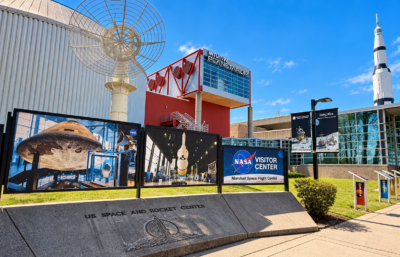
Someone working in Cummings Research Park may have different commute priorities from someone working at NASA Marshall or entering Redstone Arsenal through a particular gate.

Even two homes with similar driving distances can have very different commute experiences.
I recommend identifying your actual workplace before narrowing your neighborhood search.
Compare Huntsville, Madison, and surrounding communities
Huntsville offers a wide range of neighborhoods, from established areas near Downtown and South Huntsville to newer development corridors.
Madison appeals to many buyers looking for suburban communities, new construction, and access to western Huntsville employment centers.
Athens and East Limestone may provide additional options for buyers considering new construction, lot sizes, and price differences.
Meridianville and Hazel Green may appeal to buyers interested in northern Madison County and its evolving transportation and commercial infrastructure.
Each area has advantages and trade-offs.
The right choice depends on the buyer’s budget, commute, preferred housing type, and lifestyle.
Don’t choose a neighborhood based only on future plans
A planned road, school, shopping center, or greenway may be appealing.
But those projects can change.
When relocating, buyers should evaluate what exists today and treat future improvements as additional context.
Consider renting first versus buying immediately
Some relocation households benefit from renting temporarily while learning the area.
Others have enough familiarity, financial preparation, and time to confidently purchase before moving.
The right decision depends on employment certainty, expected length of stay, housing costs, and comfort with the local market.
Look beyond the purchase price
Property taxes, insurance, utilities, HOA fees, commute expenses, and maintenance all affect the true cost of living.
A larger home farther from work may offer more square footage but create additional transportation costs.
For some households, that trade-off is worthwhile.
For others, convenience matters more.
My takeaway: The best Huntsville relocation decision starts with your daily life, not a list of the newest neighborhoods or biggest houses.
15. Which Huntsville Areas Should Buyers Watch as the City Grows?
Based on the planning presentation, several areas deserve continued attention.
| Area | Important considerations |
|---|---|
| Western Huntsville / Limestone County | Industrial development, roads, utilities, future housing |
| Madison / East Limestone | New construction, school zones, western employment access |
| North Huntsville | Northern Bypass, commercial development, residential planning |
| Meridianville / Hazel Green | Northern corridor growth and transportation connections |
| Downtown Huntsville | Redevelopment, entertainment, public investments |
| South Huntsville | Established neighborhoods, recreation, Redstone access |
This is not a ranking of expected appreciation.
It’s a framework for understanding where development and infrastructure discussions may influence future real estate decisions.
Some buyers may prefer a growing area with new construction.
Others may value the predictability of an established neighborhood.
And some may find that their ideal location has little to do with the city’s largest proposed projects.
My takeaway: Huntsville’s growth creates different opportunities for different buyers. The best location is the one that matches your actual priorities.
16. Why I Believe REALTORS® Need to Understand Huntsville’s Future
One reason I wanted to share Dennis Madsen’s presentation is that understanding our community is part of the value we bring to our clients.
After 23+ years in Huntsville real estate, I’ve seen how neighborhoods evolve, how transportation influences housing decisions, and how new development changes the options available to buyers.
I’ve also seen people make decisions based on headlines without understanding the local market.
That’s why I believe we should always be students of our community.
We don’t need to know every engineering detail or every step in a city’s planning process.
But we should understand where growth is being discussed, what infrastructure is planned, and how those decisions could affect the neighborhoods we serve.
For buyers, that knowledge can help them evaluate locations more carefully.
For sellers, it helps explain the competition and how a neighborhood fits into the broader market.
For investors, it provides another layer of information when evaluating long-term opportunities.
And for relocation clients, it helps turn an unfamiliar city into a more understandable set of choices.
That’s the perspective I try to bring to every real estate conversation.
Frequently Asked Questions About Huntsville’s Future Growth and Real Estate
1. How will Huntsville’s 50-year growth plan affect home prices?
Employment growth and infrastructure investment could support housing demand, but appreciation is not guaranteed. Mortgage rates, new construction, affordability, and neighborhood-specific supply will continue influencing home values.
2. Where is Huntsville expected to grow the most?
The presentation identifies substantial long-term development planning in western Huntsville and Limestone County, along with infrastructure and redevelopment projects in North Huntsville and Downtown Huntsville.
3. Will Huntsville’s economy continue growing?
The city’s planning materials anticipate substantial long-term employment and development potential. Actual growth will depend on business investment, labor availability, economic conditions, and infrastructure delivery.
4. Is Huntsville Alabama a good place to invest in real estate?
Huntsville offers several employment and development factors worth researching. Whether an individual property is a good investment depends on price, financing, rental income, expenses, supply, and expected returns.
5. How will the Northern Bypass affect North Huntsville neighborhoods?
The bypass is intended to improve transportation connectivity. Its effect on particular neighborhoods and commute times will depend on completed road connections and actual traffic patterns.
6. Will new construction increase Huntsville’s housing inventory?
Additional residential development could increase housing supply. However, the number and timing of homes delivered will depend on demand, financing, land development, utilities, and builder activity.
7. Should I buy a home in Huntsville before planned development is completed?
Buyers should base their decision primarily on current housing needs, affordability, and existing neighborhood conditions. Future development may be a consideration, but plans and schedules can change.
8. How could industrial development affect Limestone County real estate?
New employment could support demand for housing and local services. At the same time, additional construction and changing land uses could affect supply, traffic, and neighborhood characteristics.
9. Will Huntsville’s growth make it easier to sell my home?
Not necessarily. Demand may increase in some areas, but sellers may also face competition from new construction. Pricing, property condition, location, and marketing remain important.
10. Is Madison or Huntsville better for relocation buyers?
Neither is automatically better. Madison and Huntsville offer different neighborhoods, school districts, housing types, and commute options. Buyers should compare their actual workplace and lifestyle priorities.
11. Is East Limestone a good option for people moving to Huntsville?
East Limestone may appeal to buyers looking for additional new-construction and suburban housing options near western Huntsville employment corridors. Commute routes, school assignments, and services should be evaluated for each property.
12. Should I rent before buying when relocating to Huntsville?
Renting first can provide time to learn neighborhoods and commute patterns. Buying immediately may make sense for households with stable employment, sufficient market knowledge, and a longer expected stay.
13. What is the Huntsville/Limestone Master Plan?
It is a long-range planning framework examining potential residential, employment, commercial, transportation, and infrastructure development across western Huntsville and Limestone County.
14. What are Huntsville’s proposed TIF Districts 8 and 9?
The presentation describes proposed tax increment financing districts intended to support public infrastructure and redevelopment. District 8 focuses on western Huntsville/Limestone County, while District 9 focuses on central Huntsville.
15. How can I research future development near a Huntsville home?
Review City of Huntsville planning materials, zoning maps, subdivision approvals, public meeting records, and transportation updates. Confirm the current status of proposed projects before relying on them.
Final Thoughts: Huntsville’s Future Is About More Than Growth


It was the larger vision.
Huntsville is looking at how employment, housing, schools, transportation, utilities, shopping, parks, and greenways can work together as the community develops.
That matters to people who already live here.
It matters to homeowners wondering how their neighborhood may change.
It matters to investors evaluating long-term opportunities.
And it certainly matters to families and professionals considering relocating to Huntsville, Madison, or North Alabama.
The important thing is to separate what is planned from what is approved, funded, under construction, or already completed.
A 50-year forecast isn’t a promise about what will happen to a particular neighborhood or home value.
But it can help us ask better questions.
If you’re considering relocating to Huntsville, buying a home, selling property, or investing in North Alabama, I’d be happy to help you understand how these growth patterns relate to your real estate goals.
The Brooks Family of Realtors has been serving the North Alabama and Tennessee families since 1972.
Source and planning disclaimer: This article draws on the City of Huntsville BIG Picture / Capstone Planning Update presented by Dennis Madsen, AICP. Forecasts and draft development plans are distinguished from approved or completed projects. Economic and housing-market implications are interpretations, not guaranteed outcomes. Verify current project status, school assignments, zoning, and transportation schedules with the responsible public agencies before making property decisions.
| Contact 256-797-2283 | Johnwesleybrooks@choosecapstone.com |
www.johnwesleybrooksrealestate.com
Find me Here: Google Business Profile | Facebook | Instagram | LinkedIn | Twitter | YouTube | Realtor.com | Zillow